Breath Freshener for Dogs: Safe Options in Marietta

Breath Freshener for Dogs: Safe Options in Marietta
Every dog owner knows that joyful feeling when your pup runs up to greet you, tail wagging and mouth open wide. But if your dog’s breath sends you recoiling instead of reaching for a cuddle, you are not alone—doggy halitosis is a common concern, especially as spring brings more outdoor fun in Marietta and the surrounding communities. At Express Vets Marietta, we understand how important fresh breath is for both you and your pet’s health. In this blog, we will explore what causes bad breath in dogs, safe and effective breath freshener options, and how our veterinary team can help keep your dog’s mouth healthy all season long. If you have noticed your dog’s breath is less than pleasant, or you are searching for the best breath freshener for dogs in Marietta, our team is here to help guide you through every step. Keep reading to learn how to spot the signs of oral health issues, understand the causes behind canine bad breath, and discover the best ways to freshen your pup’s breath while protecting their overall wellbeing.
Recognizing When Your Dog Needs Breath Freshening
Dog breath is rarely minty fresh, but there is a difference between normal doggy odor and breath that signals something is wrong. As a pet owner, it is important to recognize when your dog’s breath might be more than just a minor nuisance. Key signs that your dog may need a breath freshener include a persistent foul odor that lingers even after eating or drinking, visible tartar or plaque buildup on the teeth, red or swollen gums, and a reluctance to chew toys or eat dry food. Other symptoms to watch for are drooling more than usual, pawing at the mouth, or changes in behavior such as irritability or withdrawal. When these signs appear, it is time to consider both your dog’s comfort and their health. Bad breath is often a symptom of underlying dental or medical issues, not just an inconvenience.
What Causes Bad Breath in Dogs?
Understanding the root cause of your dog’s bad breath is the first step toward finding a safe and lasting solution. Most commonly, canine halitosis develops due to bacteria accumulating in the mouth. As food particles, saliva, and bacteria mix, they create plaque, which can harden into tartar. Over time, this buildup irritates the gums and leads to gingivitis or even periodontal disease. In some cases, bad breath can also be a sign of other health problems. Conditions such as kidney disease, diabetes, or digestive issues sometimes cause unusual mouth odors. Additionally, dietary factors play a role, especially if your dog eats table scraps, gets into garbage, or chews on things found outdoors during spring walks around Marietta. Certain breeds are more prone to dental issues, with smaller dogs often experiencing more rapid plaque buildup. If you are unsure what is causing your dog's breath to worsen, a wellness examination with our veterinary professionals can help pinpoint the source.
Safe and Vet-Approved Breath Freshener for Dogs
When it comes to freshening your dog’s breath, it is essential to choose options that are both effective and safe. Many over-the-counter products claim to fix bad breath, but not all are appropriate for every pet. Vet-approved breath freshener for dogs includes dental chews formulated to reduce plaque, water additives designed to control oral bacteria, and specific treats with breath-freshening ingredients. However, the foundation of lasting fresh breath is regular dental care. At Express Vets Marietta, we recommend starting with a professional evaluation to ensure there are no underlying health problems contributing to the odor. Our primary care veterinary services include thorough dental assessments, and we can guide you toward the safest products for your dog's unique needs. Some safe home options involve brushing your dog’s teeth with veterinarian-recommended toothpaste, offering dental diets or specialized chews, and using approved water additives. Always avoid products containing xylitol or artificial sweeteners, as these can be toxic to dogs. If your pet has allergies or food sensitivities, our team can recommend specialty diets that support both oral and overall health.
How Dental Chews and Water Additives Help
Dental chews work by mechanically scraping away plaque as your dog chews, which helps minimize bacteria and freshen breath. Some chews contain enzymes or natural breath-freshening herbs, further improving their effectiveness. Water additives, when used as directed, can reduce oral bacteria and help keep your dog's mouth cleaner between brushings. It is important to follow dosage recommendations, as overuse may lead to digestive upset or reduced efficacy. Not every product works for every dog, so consulting with our veterinarians before introducing new oral hygiene aids is always the safest approach.
Preventing Bad Breath at Home
Preventing bad breath in dogs is a team effort between pet owners and veterinary professionals. The most effective prevention strategies include brushing your dog’s teeth regularly using a pet-safe toothbrush and toothpaste, providing dental treats or chews approved by your veterinarian, and ensuring your dog eats a balanced diet that supports oral health. Frequent wellness checks can catch dental problems before they worsen. Additionally, monitoring what your dog puts in their mouth during walks or playtime can reduce the risk of ingesting things that cause bad breath or upset stomachs. Keeping your dog’s water bowl clean and changing the water frequently also helps minimize bacterial growth. For pets who dislike tooth brushing, starting with finger brushes or dental wipes can ease the transition. If your dog has a history of allergies, our veterinary team may recommend an allergy testing service to rule out any food or environmental triggers contributing to oral issues.
When to Seek Professional Veterinary Care
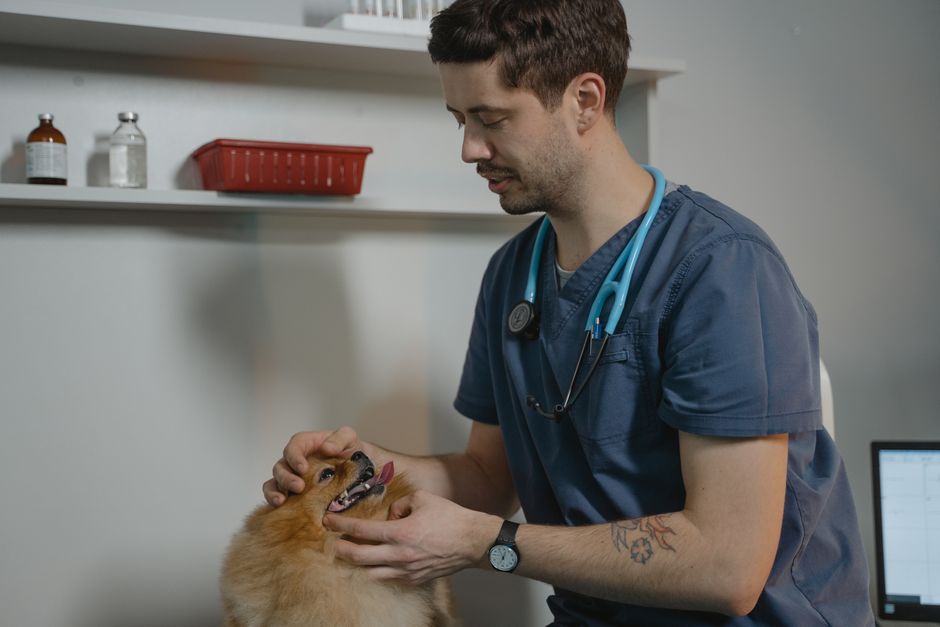
While occasional bad breath is normal after your dog munches on a particularly smelly treat, persistent or worsening odor often signals a deeper issue. You should schedule an appointment with our veterinarians if your dog’s breath has a strong, sweet, or chemical smell, if you notice bleeding or swelling in the mouth, or if your pet is refusing food and acting lethargic. Other warning signs include excessive drooling, loose or missing teeth, and visible sores or masses in the mouth. These symptoms can indicate dental infections, gum disease, or other medical concerns that require prompt attention. At Express Vets Marietta, our veterinary team provides comprehensive dental exams and sick visit services to get to the root of your dog’s bad breath. Delaying care can allow oral health problems to progress, potentially affecting your dog’s heart, kidneys, or liver over time. Timely intervention keeps your pet comfortable and helps protect their long-term health. If you are searching online for a "vet near me" because you are worried about your dog’s breath, our conveniently located clinic is ready to help.
Keeping Your Dog’s Breath Fresh All Season Long
Fresh breath is not only more pleasant for snuggles—it is also a sign of good health. By understanding the causes of bad breath and choosing a safe, vet-approved breath freshener for dogs, you can help your pet stay happy and healthy throughout spring and beyond in Marietta. Remember, daily dental care at home paired with regular veterinary checkups is the best way to prevent oral issues before they start. If you are concerned about your dog’s breath or want personalized recommendations, our veterinary professionals at Express Vets Marietta are here for you. Schedule an appointment for a dental assessment, wellness examination, or simply reach out for advice on the right breath freshening products for your pup. You can find us at 3595 Canton Rd. Suite 1A, Marietta, GA 30066 or give us a call at (678) 383-6613. When you need a veterinarian near me who truly cares about your pet’s wellbeing, trust Express Vets Marietta to keep your dog’s mouth healthy and their breath fresh every day. For more information on dental care, seasonal pet health, or other services, visit our website or contact our team today.
This blog is for informational purposes only and does not substitute for professional veterinary advice. Always consult your veterinarian regarding your pet’s health concerns. For further reading on canine dental health and safe breath fresheners, visit the American Veterinary Dental College