Cobbing in Dogs: What It Means and When to Worry
Cobbing in Dogs: What It Means and When to Worry
If you have ever noticed your dog gently nibbling at your hand, arm, or even a favorite blanket using their front teeth, you might be witnessing a behavior known as cobbing. Many pet owners in Marietta and the surrounding communities find themselves wondering if cobbing is a sign of affection, a quirky habit, or something to worry about. At Express Vets Marietta, our veterinary team often hears questions about cobbing during routine wellness visits and behavior consultations. This blog will help you understand what cobbing is, why dogs do it, when it can be considered normal, and when it might signal a need for veterinary attention. By the end, you’ll feel confident in identifying cobbing, knowing when to relax, and recognizing when to schedule an appointment with your trusted Marietta veterinary team.
Recognizing Cobbing in Dogs: What Does It Look Like?
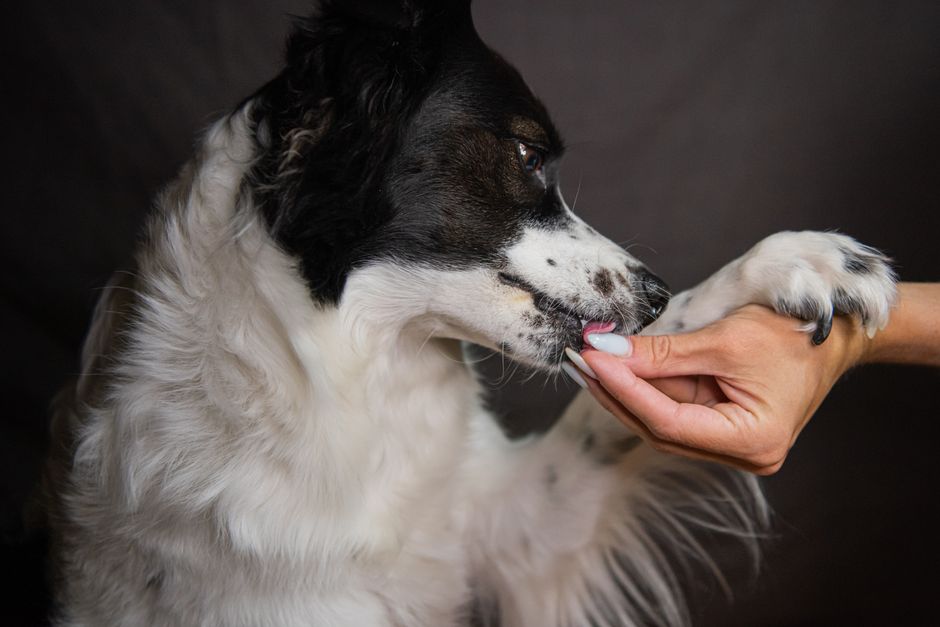
Cobbing is a term used to describe the gentle nibbling motion dogs make with their front teeth, almost as if they are eating corn off a cob. This action can look like your dog is lightly gnawing or “mouthing” on your skin, a toy, or even their own body. For many pet owners, cobbing appears as a soft, repetitive motion without any true biting or pressure. Dogs may cob during playtime, while relaxing beside you, or when they are feeling affectionate.
The most common signs of cobbing include a dog using their incisors to gently nip at your hands, arms, or sometimes at their own fur. This is usually accompanied by a relaxed body posture, wagging tail, and calm demeanor. Unlike rough play biting, cobbing does not break the skin or cause pain. However, it can sometimes be confused with more serious behaviors if not observed closely. If your dog is cobbing excessively, appears restless, or focuses on a specific spot on their body, it could be a sign of discomfort or an underlying health issue. Understanding the difference between playful cobbing and potentially concerning behavior is the first step to ensuring your dog’s wellbeing.
Why Do Dogs Engage in Cobbing? Understanding the Causes
Cobbing can stem from a variety of reasons, many of which are completely normal and healthy. For many dogs, cobbing is a sign of affection or a way to initiate play. Puppies, in particular, learn about their environment and communicate with their littermates through gentle nibbling; this behavior often carries into adulthood as a form of social interaction. Adult dogs may cob as a way to bond with you or as part of grooming rituals, mimicking the way they would care for another dog.
In some cases, cobbing can be a self-soothing behavior. Just as some dogs knead their beds or suckle on blankets, cobbing can help relieve mild anxiety or boredom. Environmental factors can also play a role; dogs left alone for extended periods or lacking mental stimulation might resort to cobbing as a form of entertainment.
However, not all cobbing is purely behavioral. Sometimes, dogs cob at themselves in response to a skin irritation, itch, or discomfort. Allergies, fleas, dry skin, or even minor injuries can prompt a dog to nibble at a particular spot repeatedly. If you notice your dog cobbing at the same area over and over again, it could indicate an underlying health problem that deserves further investigation.
When Is Cobbing Normal, and When Should You Worry?
Most cobbing in dogs is harmless and part of normal canine communication or play. Dogs that are relaxed and only nibble occasionally while interacting with you are typically expressing affection or happiness. As long as the behavior does not escalate to rough biting, does not cause injury, and is not accompanied by other concerning symptoms, there is usually no need for alarm.
However, certain changes or patterns in cobbing can signal a problem. If your dog suddenly starts cobbing much more frequently, focuses intensely on one part of their body, or seems distressed during the behavior, it may be time to look closer. Warning signs include redness, hair loss, sores, or swelling at the site where your dog is nibbling. Additionally, if cobbing is paired with other symptoms such as excessive licking, scratching, or changes in appetite or energy levels, it could point to allergies, skin infections, or even pain.
Behavioral changes are also important to note. For example, a dog that begins cobbing out of the blue or appears anxious while doing so may be experiencing stress or anxiety. If you notice any of these warning signs, a behavior consultation for unusual or challenging pet behaviors with our veterinary team can help determine the underlying cause and find effective solutions.
Treatment Options and How Your Veterinarian Can Help
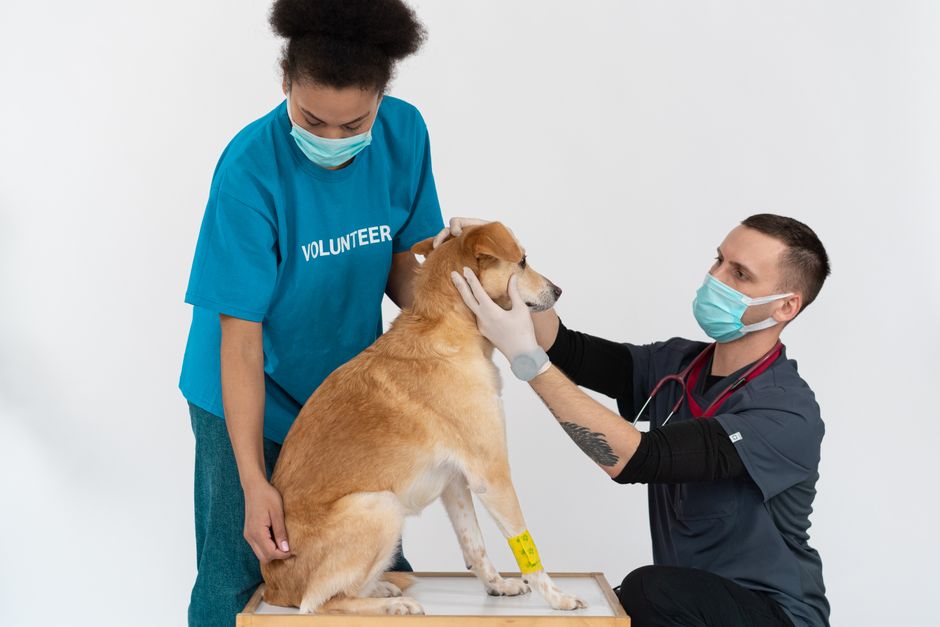
Addressing cobbing starts with understanding whether the behavior is normal or linked to a medical or behavioral issue. During a visit to Express Vets Marietta, our veterinarians will perform a thorough physical examination and ask questions about your dog’s daily routine, environment, and recent changes in behavior. If your dog’s cobbing seems excessive or is focused on a particular area, we may recommend diagnostic tests to rule out allergies, skin infections, or parasites.
Treatment approaches depend on the underlying cause. If cobbing is linked to allergies or skin irritation, options might include medicated shampoos, changes in diet, or parasite prevention. For dogs with behavioral reasons behind their cobbing, solutions can range from increased enrichment activities and interactive toys to positive reinforcement training. In some cases, addressing sources of anxiety, creating a more predictable daily routine, or using calming aids can make a significant difference.
When medical treatment is necessary, our veterinary team will explain the options clearly and help you choose the best course of action for your pet. If your dog is showing additional symptoms of illness, such as lethargy or loss of appetite, a sick visit for concerning symptoms or behavior changes may be recommended to ensure comprehensive care.
Home Care and Prevention: Supporting Your Dog’s Wellbeing
For most dogs, cobbing is a harmless behavior that can even strengthen your bond. However, there are practical steps you can take at home to keep cobbing from becoming problematic. Ensuring your dog has plenty of mental and physical stimulation can reduce boredom-related cobbing. Activities such as daily walks, interactive play, puzzle feeders, and training sessions provide healthy outlets for your dog’s energy and curiosity.
Pay attention to your dog’s grooming needs; regular brushing can help minimize skin irritation and allow you to spot any developing issues early. Check your dog’s skin and coat for signs of redness, parasites, or dryness, especially if you notice an uptick in cobbing. Maintaining a consistent routine and providing comfort during stressful times can also help prevent anxiety-driven behaviors.
If your dog seems to be nibbling at a specific area, gently inspect the skin and consult your veterinarian if you see anything unusual. Prompt attention to small issues can prevent them from becoming larger problems. Remember, positive reinforcement can guide your dog toward more desirable behaviors, so reward calmness and redirect excessive cobbing when needed.
When Should You Contact Your Marietta Veterinarian About Cobbing?
Knowing when to seek veterinary help for cobbing is essential for your dog’s health and your peace of mind. You should schedule an appointment with your veterinarian if your dog’s cobbing is frequent, intense, or accompanied by any signs of skin irritation, hair loss, open sores, or pain. Sudden changes in behavior, loss of interest in play, or signs of distress during cobbing also warrant professional evaluation.
Additionally, if your dog’s cobbing is interfering with their daily activities or causing concern for you or your family, our team at Express Vets Marietta is here to help. We can thoroughly assess your dog’s health, discuss your observations, and recommend the most appropriate treatment plan. Early intervention can make a significant difference in managing both medical and behavioral causes of cobbing.
For ongoing support, consider scheduling a wellness examination to identify health issues and support your pet’s overall wellbeing. Regular check-ups help catch subtle changes before they become bigger concerns, and our veterinary professionals are always ready to answer your questions about your pet’s behavior and health.
Supporting Happy, Healthy Dogs in Marietta and Beyond
Understanding cobbing in dogs helps you better connect with your pet and respond to their needs. While most cobbing is simply a quirky way dogs show affection, it’s important to recognize when this behavior signals something more. By observing your dog closely, providing ample enrichment, and seeking veterinary care when needed, you can ensure your companion thrives.
If you have questions about cobbing or want expert advice from a veterinarian near me, reach out to the compassionate team at Express Vets Marietta. We are dedicated to supporting the health and happiness of pets in Marietta and surrounding communities. To schedule an appointment or speak with one of our veterinarians, contact us at (678) 383-6613 or visit us at 3595 Canton Rd. Suite 1A, Marietta, GA 30066. Let us help you keep your dog’s cobbing playful, healthy, and worry-free for years to come.