Cold Weather Pet Care Tips for Marietta Dog and Cat Owners

Cold Weather Pet Care Tips for Marietta Dog and Cat Owners
As the chilly, damp days of February settle in around Marietta, many pet owners begin to worry about how to keep their dogs and cats comfortable and healthy. The colder months bring more than just nippy temperatures; they often mean wet paws, muddy fur, and a host of seasonal health risks for our beloved companions. At Express Vets Marietta, located at 3595 Canton Rd. Suite 1A, Marietta, GA 30066, our veterinary professionals understand the unique challenges that Marietta’s winter weather can present for pets. In this guide, we will cover essential strategies for protecting dogs and cats from the cold, explain why certain winter problems arise, and share practical tips for exercise, grooming, and preventing seasonal illnesses. We will also discuss when it is time to schedule an appointment with our dedicated veterinary team. By the end, you will feel empowered to help your pet thrive all winter long and know exactly how Express Vets Marietta can support you.
Recognizing Cold Weather Problems in Your Pet
Pets may not always show obvious signs when they are struggling with cold or wet weather. However, it is important for pet owners to stay alert to the subtle and not-so-subtle ways that winter can affect a dog’s or cat’s health. Key symptoms of cold-related problems include shivering, reluctance to go outside, changes in appetite, and seeking out warm, hidden spaces. Some pets may start limping or favoring a paw after coming in from outdoors, which can signal irritation from cold surfaces or even mild frostbite. Additionally, a pet that suddenly becomes less active, has dry or flaky skin, or seems more anxious than usual may be reacting to the colder environment or the boredom that comes from spending more time indoors. Cats, in particular, may hide more frequently or avoid using a cold litterbox, while dogs might whine at the door or show reluctance to go for walks.
It is also important to watch for respiratory symptoms during the colder months. Sneezing, coughing, nasal discharge, or labored breathing can indicate upper respiratory infections, which tend to be more common when pets are exposed to cold, damp conditions. For pets with pre-existing health issues—such as arthritis, allergies, or skin conditions—cold weather can make symptoms worse. If you notice any of these changes, it is a good idea to consult with a veterinarian to determine if your pet’s symptoms are related to the weather or something more serious. Our primary care services are designed to help you address these concerns quickly and effectively.
Why Cold and Wet Weather Puts Pets at Risk
Marietta’s winter weather rarely brings snow, but the combination of chilly rain, fluctuating temperatures, and damp ground can still create uncomfortable and even hazardous conditions for pets. Dogs and cats are susceptible to the cold for a variety of reasons. Smaller breeds, senior pets, and those with thin or short coats lose body heat more quickly and can become chilled even during brief outdoor trips. Wet fur is another problem; once a pet’s coat is damp, its natural insulating properties are reduced, making it harder for the pet to stay warm.
Cold, wet conditions can also worsen certain medical issues. For example, arthritis pain tends to flare up when temperatures drop, making movement more difficult for older dogs and cats. Muddy, damp yards can harbor parasites like hookworms and roundworms, which survive longer in moist soil. Likewise, cold weather can suppress a pet’s immune system, making them more vulnerable to infections such as kennel cough or feline upper respiratory disease. Pets that spend more time indoors may also experience dry skin and coat problems, as heated indoor air can strip moisture from their skin. Furthermore, the temptation to feed extra treats or reduce exercise due to bad weather can lead to unwanted weight gain and related health concerns.
Understanding these risks can help you take proactive steps to safeguard your pet’s health during the coldest months of the year. It is important to remember that each pet is unique; some will need more support than others, depending on their age, breed, and overall health status.
The Role of Preventive Care in Winter
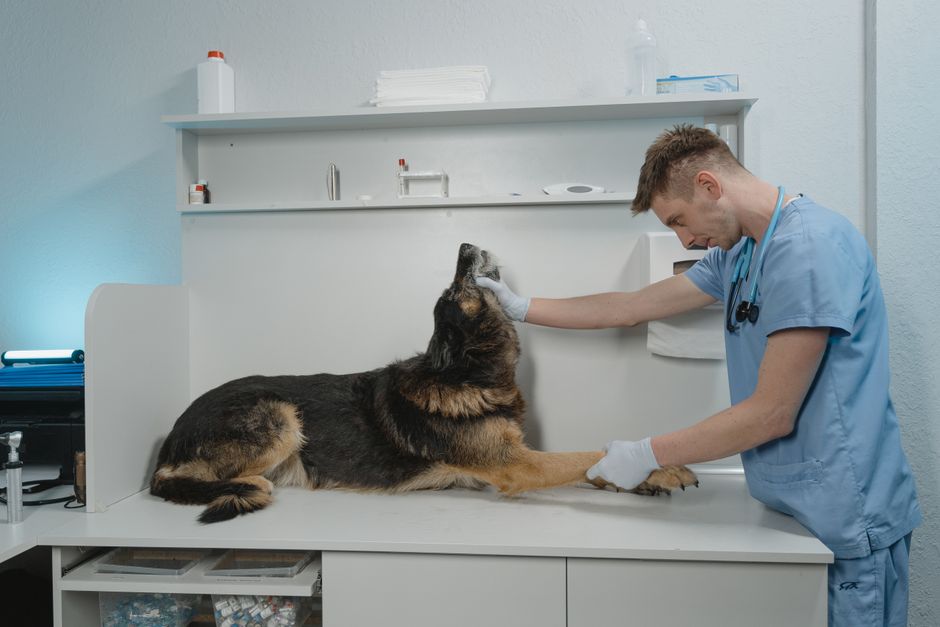
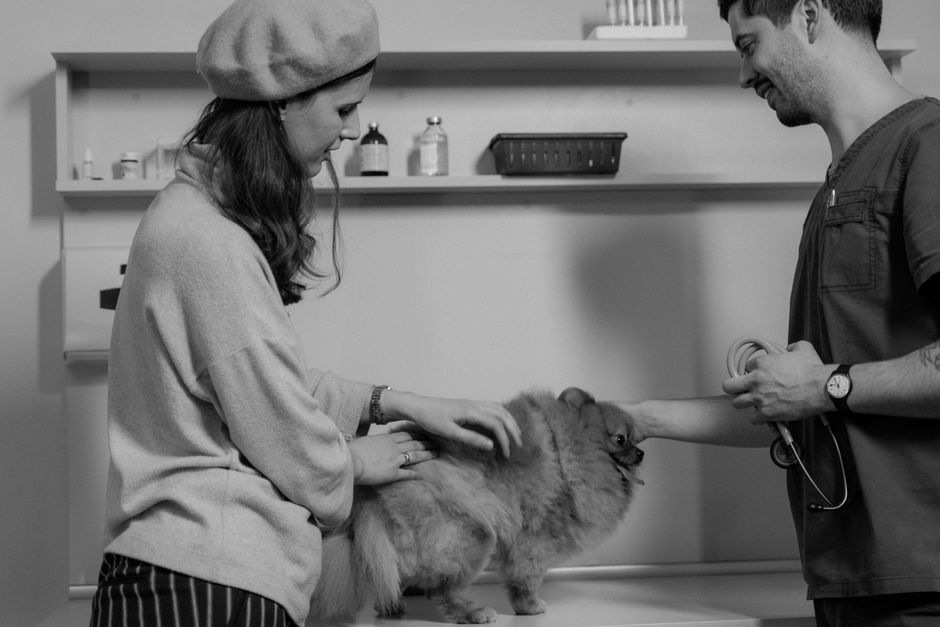
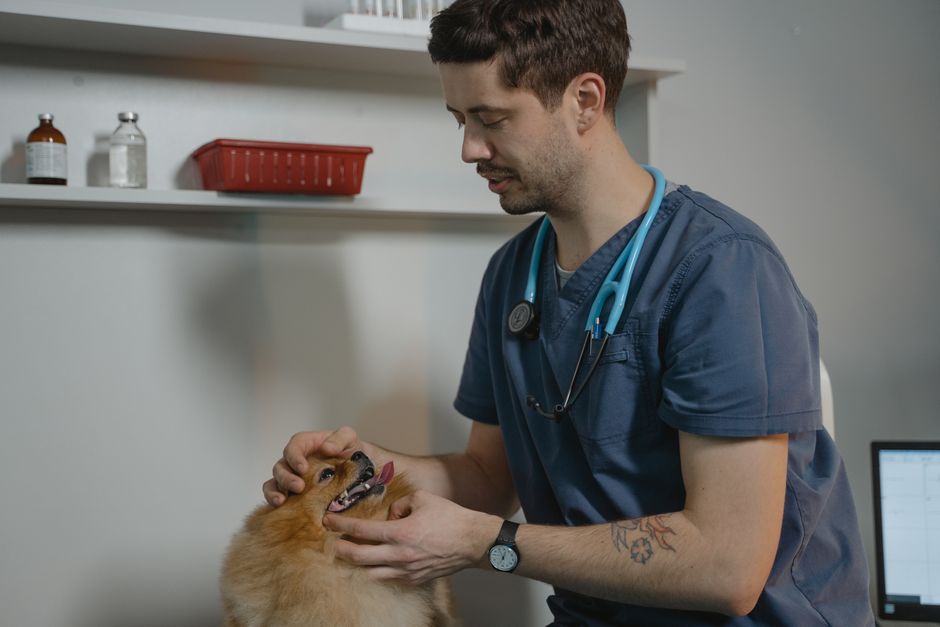
Preventive care becomes especially important during winter. Routine wellness exams provide an opportunity for your veterinarian to detect early signs of cold-related problems, adjust your pet’s care plan, and offer personalized recommendations. At Express Vets Marietta, our comprehensive pet exams include a thorough assessment of your pet’s skin, coat, joints, and respiratory health, ensuring nothing is overlooked during the winter season.
How Veterinary Professionals Treat and Manage Cold Weather Issues
When a pet presents with cold-weather problems, our veterinary team begins with a detailed history and physical examination. For pets displaying signs of hypothermia, such as persistent shivering, weakness, or lethargy, treatment focuses on gentle rewarming, supportive care, and monitoring for complications. Mild cases can often be managed at home with guidance from your veterinarian, but more severe hypothermia may require hospitalization and intravenous fluids. Pets with frostbite—often seen as pale, cold, or swollen ear tips, paws, or tails—need prompt veterinary attention to minimize tissue damage.
Arthritic pets benefit from tailored pain management plans, which may include safe medications, joint supplements, and recommendations for low-impact exercise. Our veterinary professionals often advise on ways to modify your home environment, such as providing orthopedic bedding and minimizing exposure to chilly floors or drafts. Skin problems that worsen in winter, such as dryness, itching, or rashes, are addressed through medicated shampoos, topical treatments, or dietary adjustments. Our dermatology services are particularly helpful for pets struggling with skin and coat issues triggered by cold air or indoor heating.
If your pet develops a respiratory infection, treatment typically involves rest, supportive care, and, in some cases, prescription medications. Our diagnostic capabilities allow us to quickly identify the underlying cause and recommend the most effective approach. For pets suffering from increased parasite risks due to muddy outdoor conditions, we may recommend additional parasite prevention and control strategies, ensuring your pet is protected year-round.
Preventive Steps and Home Care Tips for Marietta Pet Owners
There are many ways you can help your dog or cat stay healthy and happy throughout Marietta’s winter months. One of the most important steps is to limit your pet’s exposure to cold, wet weather. Whenever possible, walk dogs during the warmest part of the day and towel them dry immediately after returning indoors. For pets with thin coats or those prone to getting chilly, a well-fitted pet sweater or coat can provide extra warmth. Make sure your pet always has access to a warm, draft-free resting area; cozy beds and blankets are especially helpful for senior pets or those with joint pain.
Grooming routines should not be neglected during winter. Although pets may not get as dirty as in the summer, regular brushing helps distribute natural oils, supports skin health, and removes debris or moisture that can contribute to discomfort. Be cautious about overbathing, as frequent washing can dry out your pet’s skin. If dry skin is already an issue, your veterinarian may recommend specialized shampoos or fatty acid supplements.
Regular exercise remains important, even when the weather is less inviting. For dogs, try indoor games or training exercises to keep them mentally and physically active. Cats benefit from interactive toys, scratching posts, and climbing structures. Keeping pets engaged reduces stress and helps prevent weight gain that often results from reduced outdoor activity.
Monitor your pet’s food intake during the winter months. If your pet is less active, it may need fewer calories. On the other hand, pets that spend significant time outdoors may require extra nutrition to maintain their body condition. Discuss any dietary changes with your veterinarian to ensure your pet’s needs are being met. For pets with special nutritional requirements, our specialty diet services can help you find the best options.
Remember to check your pet’s paws after walks. Salt, ice melt products, and mud can irritate the skin or cause discomfort if left on the paws. Wiping your dog’s or cat’s feet after every walk can help prevent problems and keep your home cleaner as well.
When to Schedule an Appointment with Express Vets Marietta
Not every winter problem can be managed at home. If your pet shows symptoms such as persistent shivering, lethargy, difficulty breathing, severe limping, or skin lesions that do not improve, it is important to seek veterinary care promptly. Other signs that require professional attention include decreased appetite, vomiting, diarrhea, or any sudden change in behavior. Pets with pre-existing conditions—like diabetes, heart disease, or respiratory issues—are especially vulnerable to seasonal changes and may need closer monitoring during winter.
Scheduling a wellness examination with our Marietta veterinary team is the best way to catch potential problems early. Even if your pet seems healthy, a preventive checkup can help ensure they are fully protected against cold-weather risks. Our team can also advise you on vaccination schedules, parasite prevention, and behavioral strategies to reduce stress and anxiety during the indoor months. If you are ever unsure whether your pet’s symptoms are serious, do not hesitate to reach out; our veterinary professionals are here to help you make the right decision for your companion.
Keeping Your Pet Safe and Healthy This Winter
Winter in Marietta brings its own set of challenges for pet owners, but with a proactive approach and support from trusted local veterinarians, your dog or cat can stay healthy and comfortable all season long. The key takeaways include watching for subtle signs of weather-related stress, taking steps to keep your pet warm and dry, maintaining good grooming and exercise routines, and scheduling regular checkups when needed. If you have questions or concerns about your pet’s health this winter, we invite you to schedule an appointment with Express Vets Marietta. Our veterinary professionals are committed to providing compassionate, comprehensive care for pets in Marietta and surrounding communities.
If you are searching for a "vet near me" who understands local weather and is dedicated to your pet’s wellbeing, look no further than our conveniently located clinic at 3595 Canton Rd. Suite 1A, Marietta, GA 30066. Call us at (678) 383-6613 to book your appointment and let us help your pet thrive all winter long. For more information about our preventive care programs, explore our primary care services and see how we can support every stage of your pet’s life. With the right care and attention, your furry family member will enjoy a safe, happy, and healthy winter in Marietta.
This article is for informational purposes only and does not replace professional veterinary care. Always consult your veterinarian for personalized advice regarding your pet’s health.