Dealing With Winter Lethargy in Pets: Causes and Next Steps

Dealing With Winter Lethargy in Pets: Causes and Next Steps
When colder weather arrives in Marietta and surrounding communities, many pet owners notice a change in their dog or cat’s energy levels. If your usually playful companion seems tired, less interested in walks, or spends longer napping, you might wonder whether it’s just the season or a sign that something is wrong. At Express Vets Marietta, we understand how concerning winter lethargy in pets can be, especially when it disrupts daily routines or raises questions about your pet’s health. Our team of veterinarians at 3595 Canton Rd. Suite 1A, Marietta, GA 30066 is here to help you understand why your pet may seem more sluggish during the winter months and what steps you can take to support their wellbeing.
In this guide, we’ll explore key signs of winter lethargy in pets, possible causes ranging from seasonal slowdowns to underlying health concerns, and when it’s time to schedule an appointment for a wellness examination. You’ll also find practical advice for managing pet energy loss symptoms at home and learn how our primary care services in Marietta can provide peace of mind and lasting health for your furry family member.
Recognizing Signs of Winter Lethargy in Pets
As the days get shorter and temperatures drop, some dogs and cats naturally become less active. However, it’s important to distinguish between normal wintertime sleepiness and signs that warrant closer attention. Pet owners in Marietta often ask, “How do I know if my pet’s lack of energy is seasonal, or something more serious?” The answer begins with careful observation.
Key symptoms of winter lethargy in pets include noticeably decreased interest in play, reluctance to participate in regular walks or exercise, and an increase in daytime sleeping. You may also see your pet hesitate before jumping onto furniture, seem slower to greet family members, or lose enthusiasm for favorite toys. In some cases, appetite changes accompany this sluggishness; your pet might eat less, or may seem disinterested in treats that once got their tail wagging.
It’s helpful to compare your pet’s current energy and behavior to their usual habits. If your active dog prefers snuggling by the heater rather than running outside, or your curious cat spends most of the day tucked away in a quiet spot, it could be a sign of winter lethargy. However, sudden or severe loss of energy, especially if accompanied by other symptoms like vomiting, diarrhea, coughing, or difficulty breathing, should prompt an immediate conversation with your veterinarian. Distinguishing between mild seasonal changes and more worrisome pet energy loss symptoms is the first step in supporting your pet’s health.
Why Does Winter Lethargy Occur in Pets?
Understanding the causes of winter lethargy in pets can help you decide when to wait and watch versus when to seek veterinary care. Several factors play a role in how pets respond to seasonal shifts, and each pet’s experience is unique.
For many animals, shorter daylight hours and colder temperatures naturally lead to changes in behavior. Dogs and cats may conserve energy by sleeping more, especially when chilly weather discourages outdoor activities. Some breeds, particularly those with thinner coats or less body fat, are more sensitive to the cold and may avoid time outside altogether. Additionally, indoor pets might become bored or less stimulated during winter when walks are shorter and windows are closed, leading to a noticeable drop in activity.
Underlying health issues can also contribute to winter lethargy. Conditions such as arthritis often flare up in cold, damp weather, making movement uncomfortable and prompting pets to rest more. Other causes can include undetected infections, metabolic problems like hypothyroidism, or chronic conditions such as heart disease. In some cases, parasites or nutritional deficits may also play a role; this is why it’s vital to consider a comprehensive pet exam if your pet’s energy loss is significant or persistent. If you’re unsure whether your pet’s behavior is seasonal or signals a deeper concern, our primary care veterinarians in Marietta are ready to help you find answers.
Professional Treatment and Management for Winter Lethargy
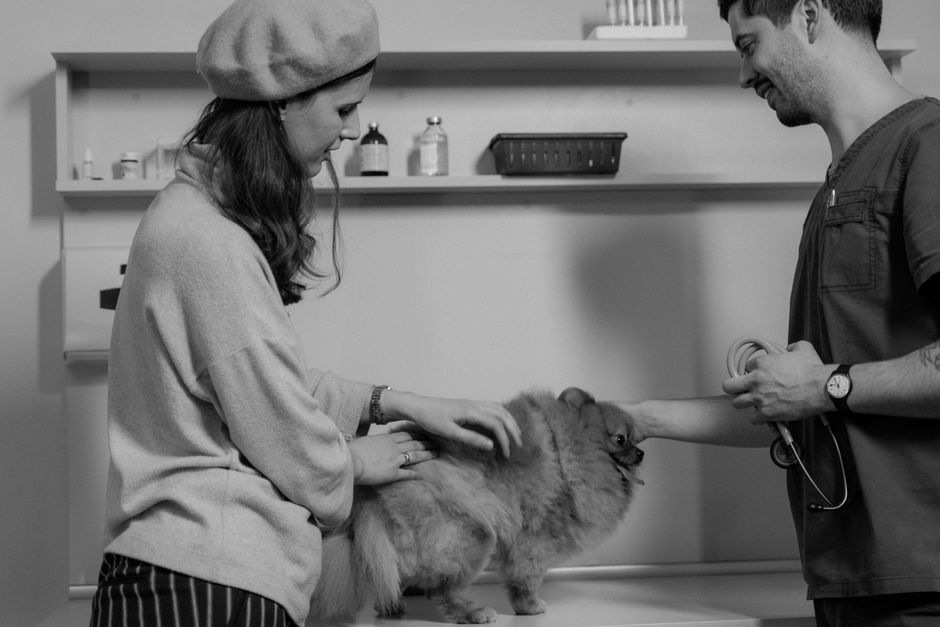
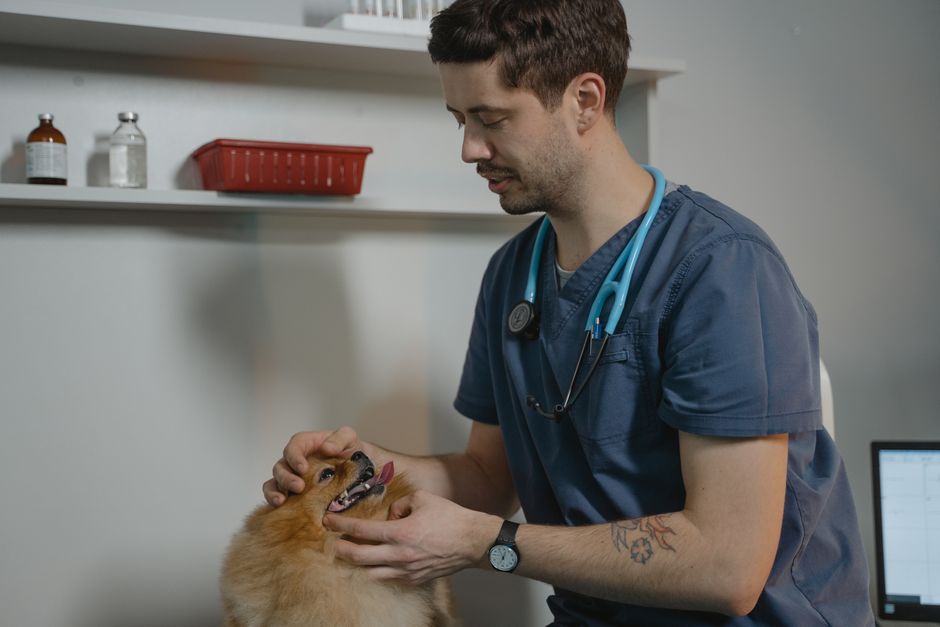
When you bring your pet to Express Vets Marietta for an evaluation, our veterinary professionals start by gathering a thorough history and performing a physical examination. Treatment approaches for winter lethargy in pets depend on the cause and may involve several steps.
If your pet’s lethargy is determined to be a mild, seasonal slowdown with no other concerning symptoms, we may recommend lifestyle adjustments to support healthy activity levels. For instance, indoor enrichment such as new toys, food puzzles, or interactive play can help stimulate interest and movement even when outdoor time is limited. For pets needing nutritional support, our team can discuss options for specialty diets tailored to your pet’s unique needs.
If a medical issue is suspected, further diagnostic work may be advised. Bloodwork, urinalysis, or other tests performed by our pet diagnostic laboratory in Marietta can help identify underlying health problems such as infections, thyroid imbalances, or metabolic disorders. For pets with arthritis or chronic pain, the veterinary team may suggest changes in diet, appropriate medications, or environmental modifications to improve comfort during colder months.
Preventive care is also essential in addressing causes of lethargy such as parasites. Our parasite prevention and control services can protect your pet from health threats that may sap their energy, even during winter when many owners believe parasite risks are low.
Supporting Your Pet’s Energy and Wellbeing at Home
While some changes in pet activity are to be expected during winter, there are several steps you can take at home to help your dog or cat maintain healthy energy levels. Creating a cozy environment that encourages movement is key. This might include setting up sunny spots for your cat to lounge, or arranging gentle indoor games for dogs who dislike the cold. Consistent routines, such as scheduled playtimes and regular walks (when weather allows), can help motivate pets to stay active.
Providing mental stimulation is just as important as physical exercise. Rotating toys, introducing puzzle feeders, or even teaching new tricks can keep your pet’s mind engaged, which often translates to increased interest in daily activities. For pets prone to arthritis or joint discomfort, ensuring that bedding is soft and warm, and keeping food and water in easily accessible locations, can make a big difference.
It is also beneficial to regularly monitor your pet’s weight and appetite, as wintertime inactivity can sometimes lead to unwanted weight gain or, conversely, a drop in body condition. Contacting your veterinarian for guidance on portion control or specialty diets in Marietta may help keep your pet healthy through the colder months.
When to Seek Veterinary Care for Winter Lethargy
While mild winter lethargy in pets can be normal, certain warning signs indicate that a veterinary evaluation is necessary. If your dog or cat’s energy loss is sudden, severe, or lasts more than a few days, it’s time to schedule an appointment. Other red flags include loss of appetite, vomiting, diarrhea, coughing, limping, or any changes in breathing. Pets with chronic health conditions, such as diabetes or heart disease, should be monitored closely for any signs of worsening symptoms during the winter months.
Additionally, if you notice your pet experiencing pain when moving, reluctance to get up, or any unusual behaviors such as hiding or vocalizing, prompt veterinary attention is important. Our team at Express Vets Marietta provides wellness and preventive care exams and comprehensive pet diagnostic laboratory services in Marietta to help identify and address the root cause of your pet’s lethargy.
Remember, early intervention can make all the difference in keeping your pet comfortable and healthy. If you are searching for a “vet near me” who understands the unique seasonal needs of pets in Marietta and surrounding communities, our veterinary team is ready to provide expert support and caring guidance.
Supporting Your Pet’s Winter Wellness at Express Vets Marietta
Winter can bring changes for every member of the family, including our four-legged companions. While some decrease in activity is normal as temperatures fall, ongoing pet energy loss symptoms should never be ignored. By staying attuned to changes in your pet’s behavior and seeking timely veterinary advice, you can support your dog or cat’s wellbeing all season long.
If you notice persistent winter lethargy in your pet or have concerns about their energy or appetite, don’t hesitate to schedule an appointment with our team of veterinarians at Express Vets Marietta. We offer comprehensive primary care services in Marietta, including thorough physical exams, diagnostic lab testing, and individualized nutritional guidance to help your pet thrive, even in the chilliest months.
Taking action early can provide peace of mind and ensure your pet receives the care they deserve. For compassionate, knowledgeable support from the best veterinarian near me, contact our veterinary professionals today at (678) 383-6613 or visit our convenient Marietta location. Together, we’ll help your pet enjoy a healthier, happier winter—no matter what the weather brings.
This blog is intended for informational purposes only and does not substitute for professional veterinary care. If your pet is experiencing sudden or severe symptoms, contact your veterinarian immediately.