Managing Pet Allergies in Marietta’s September Climate

Managing Pet Allergies in Marietta’s September Climate
As September arrives in Marietta, many pet owners notice their dogs or cats scratching, licking, sneezing, or showing signs of discomfort just as summer’s heat gives way to the area’s warm, rainy fall weather. If your pet seems more itchy or congested this time of year, you are not alone. Seasonal changes in Marietta can trigger allergy flare-ups in pets, making daily life uncomfortable for both you and your furry companion. At Express Vets Marietta, located at 3595 Canton Rd. Suite 1A, Marietta, GA 30066, our veterinary team is dedicated to helping local pets find relief from allergy symptoms and enjoy a healthy, happy fall. In this blog, we will explore how September’s climate affects pet allergies, the signs to watch for, common causes, effective management strategies, and when it is time to seek veterinary care. Whether your pet is dealing with skin irritation or respiratory symptoms, you will find practical advice and support from our experienced veterinarians.
Recognizing Allergy Symptoms in Marietta Pets
Allergies can manifest in a variety of ways, and knowing what to look for is the first step in helping your pet feel better. Key symptoms of allergies in dogs and cats include persistent itching, frequent scratching or licking (especially of the paws, belly, or ears), red or inflamed skin, hair loss, recurring ear infections, watery eyes, and sneezing. Additionally, you might notice your pet chewing their feet, rubbing their face along furniture or the floor, or developing skin sores or scabs. Respiratory signs such as coughing or snoring due to an inflamed throat may also occur in some pets. If your cat is affected, symptoms may be subtler, such as excessive grooming, sneezing, or mild hair thinning. Some pets develop hot spots or have chronic ear issues that do not resolve with basic home care. These signs often become more pronounced during periods of high pollen or humidity, both of which are common in Marietta’s September weather.
Why September’s Climate Triggers Allergies in Pets
Marietta’s fall season is characterized by lingering warmth, frequent rain, and increased humidity, creating the perfect environment for allergens to thrive. Ragweed pollen, one of the most potent seasonal allergens, peaks during September, while molds and fungi flourish in damp conditions. As leaves begin to fall and decompose, mold spores are released into the air, contributing further to your pet’s allergy risk. Grass and weed pollens can also linger through the early fall. In addition to outdoor allergens, increased moisture can encourage dust mites and indoor molds, affecting pets that spend more time indoors as the weather shifts. Dogs and cats with atopic dermatitis or a family history of allergies are particularly sensitive to these environmental changes. Allergens can settle on your pet’s skin or be inhaled, triggering an immune response that results in itching, inflammation, and other discomforts. The combination of local vegetation, weather patterns, and indoor air quality in Marietta makes September a challenging month for pets prone to allergies.
Professional Allergy Management for Marietta Pets
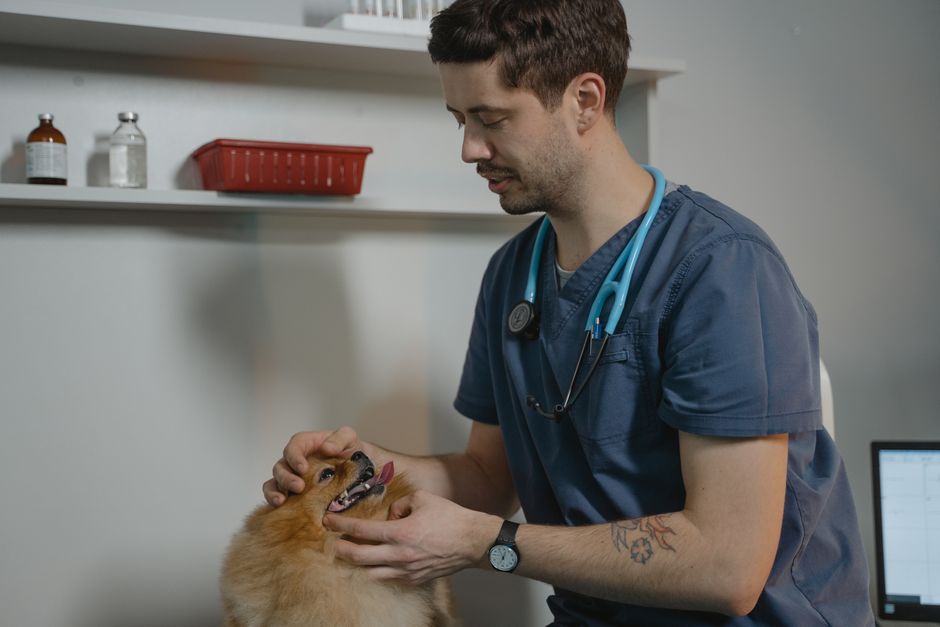
When home remedies are not enough to control your pet’s symptoms, professional veterinary care can make a world of difference. At Express Vets Marietta, our veterinarians take a comprehensive approach to diagnosing and managing pet allergies. The process begins with a thorough physical examination and a detailed history of your pet’s symptoms and environment. If allergies are suspected, we often recommend allergy testing services to help identify specific triggers, whether environmental or food-related. Identifying the cause allows us to tailor a treatment plan for lasting relief.
Treatment options for allergies include prescription medications such as antihistamines, corticosteroids, or newer drugs like oclacitinib and cyclosporine, which target the itch response at its source. For pets experiencing skin problems, veterinary dermatology services can provide advanced diagnostics and therapies. These may involve medicated shampoos, topical treatments, or specialized diets designed for pets with food sensitivities. In some cases, immunotherapy—gradual exposure to allergens through regular injections or oral drops—can help desensitize your pet's immune system and reduce future reactions. Our team may also recommend parasite control as fleas and other parasites can worsen allergic skin disease; for this reason, we often discuss parasite prevention and control services as part of a holistic allergy management plan.
Home Care and Prevention Strategies
While veterinary intervention is essential for moderate to severe allergies, there are several steps you can take at home to minimize your pet’s exposure to allergens and soothe their symptoms. Regular bathing with a veterinarian-approved hypoallergenic shampoo can help remove pollen, mold, and dust from your pet’s coat and skin. After outdoor walks or play sessions, wiping your dog’s paws and belly with a damp cloth prevents allergens from being tracked indoors. Vacuuming carpets and washing pet bedding frequently helps reduce indoor allergens, especially during peak pollen and mold seasons. Keeping windows closed on high pollen days and using an air purifier can also make a noticeable difference in your home’s air quality.
For pets with food allergies, working with your veterinarian to conduct a food elimination trial and select an appropriate diet is crucial. Avoid over-the-counter dietary changes without veterinary supervision, as many commercial foods contain hidden allergens. If your pet is prone to ear infections, routine ear cleaning with a product recommended by your veterinary team can prevent flare-ups. Monitoring your pet’s skin for new rashes, bumps, or signs of infection allows you to catch problems early and seek timely care.
When to Schedule a Veterinary Visit
It is important to recognize when home care is not enough and professional veterinary help is needed. If your pet’s itching is constant, leading to open sores or hair loss, or if they develop recurring ear infections, it is time to schedule an appointment. Other warning signs that warrant a veterinary evaluation include swelling of the face or paws, severe skin redness, persistent sneezing or coughing, or sudden changes in appetite or behavior. Pets that seem uncomfortable, restless, or are losing weight due to ongoing allergies should be evaluated promptly. Early intervention not only relieves your pet’s discomfort but also helps prevent secondary infections and long-term skin changes.
Our team at Express Vets Marietta is here to guide you through every step, from diagnosis to ongoing management. If you are searching for a veterinarian near me with experience in treating pet allergies and skin conditions, our veterinary professionals are ready to support you and your pet’s well-being.
Compassionate Support for Marietta Pet Owners
Caring for a dog or cat with allergies can feel overwhelming, especially during Marietta’s challenging fall climate. With the right information, professional help, and a proactive approach, you can help your pet stay comfortable and healthy all season long. Our veterinary team at Express Vets Marietta, located at 3595 Canton Rd. Suite 1A, Marietta, GA 30066, is committed to providing personalized care for your pet’s unique needs. If you notice signs of allergies or need guidance on prevention, we encourage you to schedule an appointment with our veterinarians. Whether your pet requires allergy testing services, veterinary dermatology services, or comprehensive parasite prevention and control services, our team is here to help.
For expert advice and compassionate care, call us at (678) 383-6613 or visit us online to request your appointment. We proudly serve Marietta and surrounding communities, providing the support your pet needs to thrive. Your pet’s comfort and health are our top priorities, and we are honored to be your trusted local veterinary partner throughout every season.
Disclaimer: The information provided in this blog is for educational purposes only and does not replace professional veterinary advice. If your pet is experiencing severe symptoms or you have concerns about their health, please contact your veterinarian promptly.