March Pet Allergies: Identifying and Managing Symptoms in Marietta

March Pet Allergies: Identifying and Managing Symptoms in Marietta
As the soft signs of spring emerge in Marietta, many pet owners start noticing their dogs or cats scratching more, licking their paws, or sneezing a bit more than usual. While the warmer weather and beautiful blooms are certainly a welcome change, the increase in pollen and other environmental triggers can make this season especially tough for pets with allergies. At Express Vets Marietta, located at 3595 Canton Rd. Suite 1A, Marietta, GA 30066, our veterinary team is here to help you recognize the signs of allergies in your pets, understand their causes, and provide effective solutions that keep your companions comfortable all season long.
In this blog, we will explore the most common allergy symptoms seen in pets during March, explain why these allergies develop, and guide you through proven strategies to manage and prevent seasonal triggers. We will also share when it is time to schedule an appointment for a professional evaluation and how our experienced veterinarians can support you with services like allergy testing, dermatology care, and personalized treatment plans. Our goal is to ensure every pet in Marietta and the surrounding communities can enjoy the spring with fewer itchy days and more happy moments.
Recognizing Allergy Symptoms in Dogs and Cats
Springtime allergies can manifest in various ways, and the symptoms often mimic other skin or respiratory issues. As a pet owner, knowing what to look for is the first step in helping your dog or cat feel better. Key symptoms include persistent scratching, licking, or chewing at the skin, especially around the paws, face, and ears. You might also notice red or inflamed skin, hair loss in certain areas, and bumps or scabs that seem to appear out of nowhere.
For some pets, allergies show up as respiratory signs such as sneezing, watery eyes, or nasal discharge. Cats may develop red, irritated eyes, while dogs could start shaking their heads more frequently or develop ear infections. Additionally, digestive problems like vomiting or diarrhea can occasionally be linked to allergies, especially if food sensitivities are involved. If your pet suddenly seems uncomfortable, is losing interest in playtime, or develops any of these symptoms, it may be more than just a minor irritation; allergies could be the culprit.
Behavioral changes also provide clues. A normally calm pet who starts acting restless, wakes up at night to scratch, or seems irritable when touched might be struggling with itchiness or discomfort. Many pet owners in Marietta notice these changes as the pollen count rises, making spring a key time to observe your pet’s habits more closely.
Understanding the Causes of Pet Allergies in Marietta’s Spring
Pet allergies occur when your dog or cat’s immune system overreacts to substances that are typically harmless. In Marietta, March marks a significant uptick in allergens, thanks to blooming trees, grasses, and a rise in outdoor mold spores. These environmental allergens are inhaled or come into contact with your pet’s skin, setting off an immune response that triggers itching, redness, and other symptoms.
Common environmental triggers include pollen from oak, maple, and other local trees, as well as mold spores and even dust mites that become more active with warmer temperatures. In addition to outdoor sources, pets can react to indoor allergens like household cleaners, perfumes, or cigarette smoke, which may become more noticeable as homes are aired out in spring.
Fleas and other parasites are another major cause of allergy symptoms, especially when the weather gets warmer. Some pets develop flea allergy dermatitis, where even a single bite causes severe itching and inflammation. It is important to remember that allergies can also have a genetic component; some breeds are more prone to allergic reactions than others, and pets with a family history of allergies may start showing symptoms earlier in life.
Food allergies, while less common than environmental or flea allergies, can also play a role. These typically develop over time and are usually triggered by specific proteins or additives in your pet’s diet. If you notice year-round symptoms or reactions after dietary changes, food sensitivities could be part of the issue.
Professional Allergy Treatment and Management at Express Vets Marietta
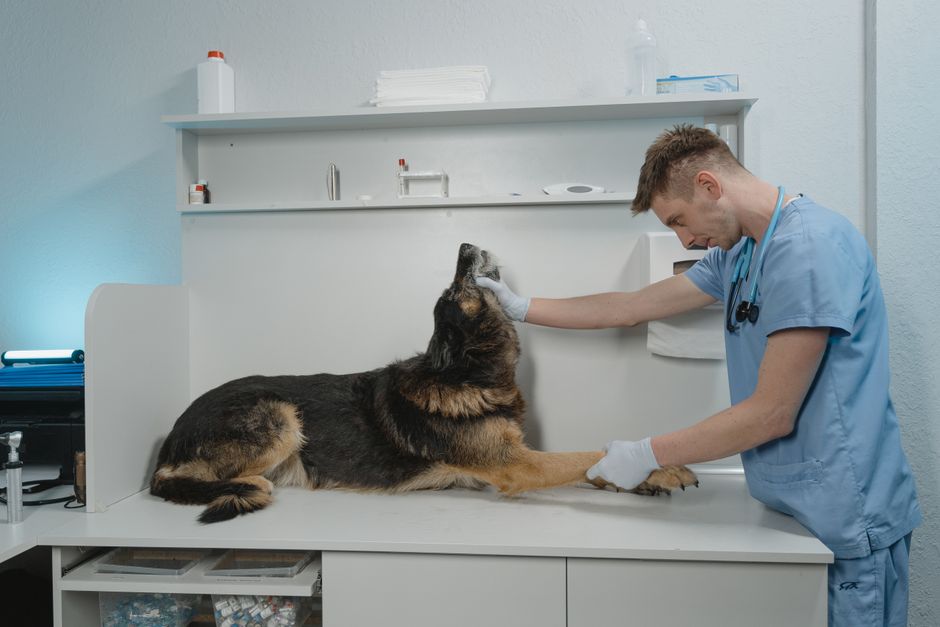
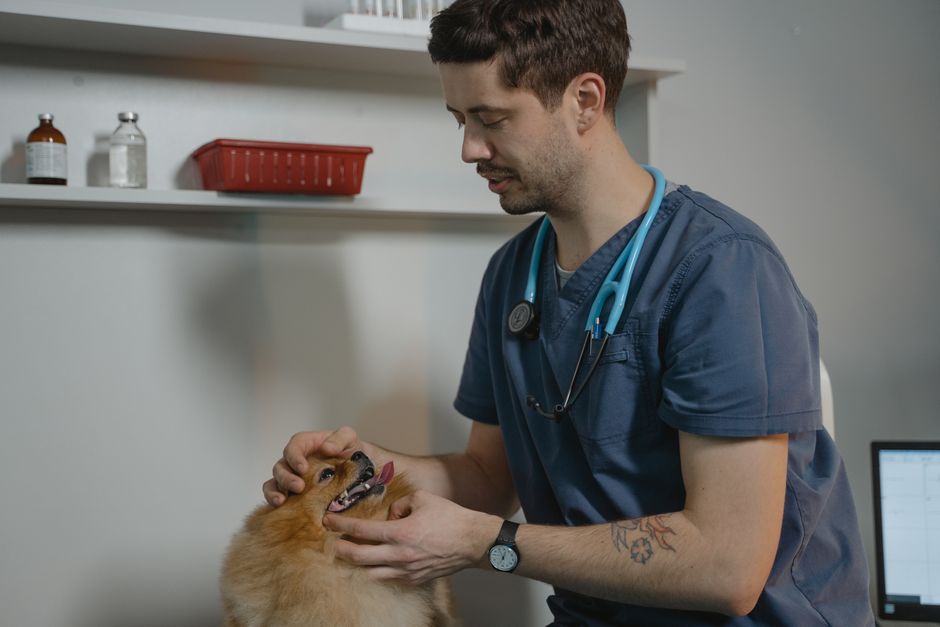
When your pet is suffering from allergies, professional veterinary care can make a world of difference. At Express Vets Marietta, our approach begins with a thorough examination to determine the type and severity of your pet’s symptoms. During your visit, our veterinary professionals will go over your pet’s medical history, perform a detailed skin and ear evaluation, and may recommend diagnostic tests to identify specific triggers.
Allergy testing is often recommended for pets with persistent or severe symptoms. This can involve blood tests or intradermal skin testing to pinpoint exactly what your pet is reacting to, allowing us to develop customized treatment plans. For pets with skin issues, our dermatology services provide targeted therapies, including medicated shampoos, topical treatments, and oral medications to relieve itching and inflammation.
In cases where parasites contribute to allergy symptoms, our parasite prevention and control programs are essential. These include regular flea and tick preventives that protect your pet from bites and the allergic reactions they cause. For pets with food allergies, we may suggest a hypoallergenic diet or a food elimination trial to determine safe options.
Ongoing management may involve a combination of medications such as antihistamines, corticosteroids, or newer therapies like immunotherapy, depending on your pet’s needs. Our goal is always to minimize discomfort while ensuring long-term health and quality of life. We encourage pet owners to schedule regular wellness examinations to monitor for early signs of allergy flare-ups, so treatment can be adjusted as needed.
Home Care and Prevention Tips for Pet Allergies
While professional treatment is vital, there are several things you can do at home to help manage and prevent allergy symptoms in your pets. Keeping your pet’s living environment clean is crucial; frequent vacuuming, washing bedding in hot water, and using air purifiers can reduce indoor allergens significantly. Wiping your pet’s paws and coat with a damp cloth after walks helps remove pollen and outdoor irritants before they can trigger a reaction.
Bathing your pet with a gentle, veterinarian-recommended shampoo can soothe irritated skin and remove allergens that have settled on the coat. It is important to avoid over-bathing, as this can dry out the skin and make symptoms worse; your veterinarian can recommend an ideal bathing schedule for your pet’s condition.
Staying up-to-date on flea and tick prevention is especially important during the spring. Even indoor pets are at risk, as fleas can hitch a ride inside on shoes or clothing. If food allergies are suspected, be mindful of any treats or table scraps and follow your veterinarian’s dietary recommendations carefully.
Monitoring your pet for new or worsening symptoms is another valuable step in prevention. Keep a journal of your pet’s reactions, noting when symptoms appear, what activities they have been engaged in, and any changes in their diet or environment. This information can be extremely helpful when working with your veterinary team to identify and manage triggers.
When to Schedule a Veterinary Visit for Allergies
Knowing when to seek professional help is essential for your pet’s wellbeing. If your pet’s scratching, licking, or chewing becomes persistent, or if you notice open sores, hair loss, or signs of infection like a foul odor or discharge, it is time to schedule an appointment. Sudden changes in appetite, energy level, or behavior are also red flags that require a prompt evaluation.
Pets who develop respiratory symptoms such as coughing, wheezing, or difficulty breathing should be seen by a veterinarian as soon as possible, as these can indicate more severe allergic reactions or underlying conditions. Additionally, if over-the-counter treatments or home remedies are not providing relief, or if symptoms keep returning despite your efforts, professional assessment is necessary.
At Express Vets Marietta, our veterinary professionals are dedicated to uncovering the root cause of your pet’s discomfort and guiding you through the process of finding effective, long-lasting solutions. We believe that every pet deserves to enjoy the spring in comfort, and we are here to support you every step of the way.
Your Partner in Pet Allergy Relief This Spring
March allergies can be a real challenge for pets and their families in Marietta, but you do not have to manage them alone. By recognizing the early signs of allergies, understanding their underlying causes, and working closely with our veterinary team, you can help your pet feel more comfortable through the changing seasons. Our comprehensive approach includes everything from allergy testing and parasite prevention and control to personalized treatment plans and ongoing wellness care.
If you are searching for a trusted "vet near me" to help your pet with allergy symptoms, Express Vets Marietta is ready to provide the compassionate, expert care your family deserves. We invite you to schedule an appointment with our experienced veterinarians at 3595 Canton Rd. Suite 1A, Marietta, GA 30066 or call us at (678) 383-6613 to discuss your pet’s needs. Together, we can make this spring a season of comfort, health, and happiness for your beloved companion.
For more information about our services or to learn how we can help manage your pet’s allergies, please visit our allergy testing page or reach out to our veterinary team today. Your pet’s comfort and wellbeing are always our top priorities.
Disclaimer: This blog is for informational purposes only and is not a substitute for professional veterinary advice. If your pet is experiencing severe or sudden symptoms, please contact your veterinarian for immediate care.