When to Consider Anti Nausea Medication for Dogs in Marietta
When to Consider Anti Nausea Medication for Dogs in Marietta
If you’ve ever watched your dog suddenly lose interest in their favorite meal or witnessed them drooling and pacing anxiously, you know how worrying signs of nausea can be. Nausea in dogs is surprisingly common, and as a pet owner in Marietta, it’s important to recognize when your dog might need professional help—especially when anti nausea medication for dogs could bring much-needed relief. At Express Vets Marietta, our experienced veterinary team is committed to supporting you and your dog with compassionate, effective care right here in the heart of our community. In this guide, we’ll help you understand the signs of nausea in dogs, explore why it happens, and explain when anti nausea medication may be the best option for your pet. You’ll also learn how our clinic at 3595 Canton Rd. Suite 1A, Marietta, GA 30066 can support your dog’s health every step of the way. Whether you’re dealing with a sudden bout of vomiting or ongoing queasiness, you’ll find practical advice and local expertise in the sections that follow.
Recognizing Nausea in Dogs: What to Watch For
Dogs can’t tell us when their stomach is upset, but they show us through their behavior and physical signs. Key symptoms of nausea in dogs include drooling more than usual, excessive licking of lips or swallowing, and a sudden loss of appetite. You may also notice your dog eating grass, which some dogs do to try to relieve an upset stomach. Other signs to look for are restlessness, pacing, or even hiding—dogs often act anxious or uncomfortable when they feel nauseated. Vomiting may occur, but it’s important to realize that not all dogs with nausea will throw up right away. Dry heaving, gagging, or even burping can also be indicators. If your dog seems unusually lethargic, avoids food for more than a day, or has episodes of vomiting that last longer than a few hours, these could signal a more serious issue.
Paying close attention to these signs is vital. Early recognition helps you address minor problems before they become major health concerns, and it allows you to provide comfort to your dog when they’re feeling unwell. If you’re ever unsure whether your dog’s symptoms are normal, or if you notice concerning changes in their behavior, our primary veterinary care services are designed to help you evaluate and address these issues promptly.
Common Causes of Nausea in Dogs
Nausea in dogs can result from a wide variety of causes, ranging from simple dietary slips to underlying medical conditions. One of the most frequent reasons for nausea is dietary indiscretion—dogs are notorious for eating things they shouldn’t, including table scraps, spoiled food, or non-food items they find during walks. Changes in diet or new treats can also upset your dog’s stomach, leading to mild or moderate nausea.
Infectious causes such as gastrointestinal viruses or bacterial infections are also common culprits. Parasites like roundworms or giardia can irritate your dog’s digestive tract, and these issues are particularly relevant in areas like Marietta where dogs spend a lot of time outdoors. Allergies, especially food allergies, can trigger ongoing digestive discomfort and nausea, which may also be accompanied by skin issues or itching.
Other important causes include chronic diseases such as kidney or liver problems, pancreatitis, or conditions like inflammatory bowel disease. Medications, especially antibiotics or certain pain relievers, sometimes cause nausea as a side effect. Stress, anxiety (such as car rides or boarding), and even motion sickness can also make your dog feel queasy.
Knowing what might be causing your dog’s nausea helps you and your veterinarian work together to find the best solution. At Express Vets Marietta, our team uses thorough history-taking, physical exams, and diagnostic testing to pinpoint the cause of your dog’s symptoms so we can tailor their care.
Anti Nausea Medication for Dogs: When Is It Needed?
Deciding when to use anti nausea medication for dogs depends on several factors, including the severity and duration of your dog’s symptoms, and what’s causing the nausea in the first place. Many dogs experience mild, short-lived upset stomachs that resolve on their own with simple home care. However, if your dog is unable to keep food or water down, vomits multiple times in a day, or seems lethargic and uninterested in normal activities, it’s time to consider professional intervention.
Anti nausea medications, sometimes called antiemetics, work by calming the digestive tract or blocking the signals in the brain that cause nausea and vomiting. Medications such as maropitant (Cerenia), metoclopramide, or ondansetron are commonly prescribed for dogs after a careful examination and diagnosis. These treatments help your dog feel more comfortable, prevent dehydration, and allow their body time to heal or recover from an underlying illness.
Your veterinarian will determine whether anti nausea medication for dogs is appropriate based on your dog’s physical examination, medical history, and any diagnostic tests that may be needed. For instance, if a dog is suffering from a gastrointestinal infection, medication may be combined with fluids and dietary management. In cases of chronic disease, anti nausea medication may be part of a long-term management plan to help your dog maintain a good quality of life.
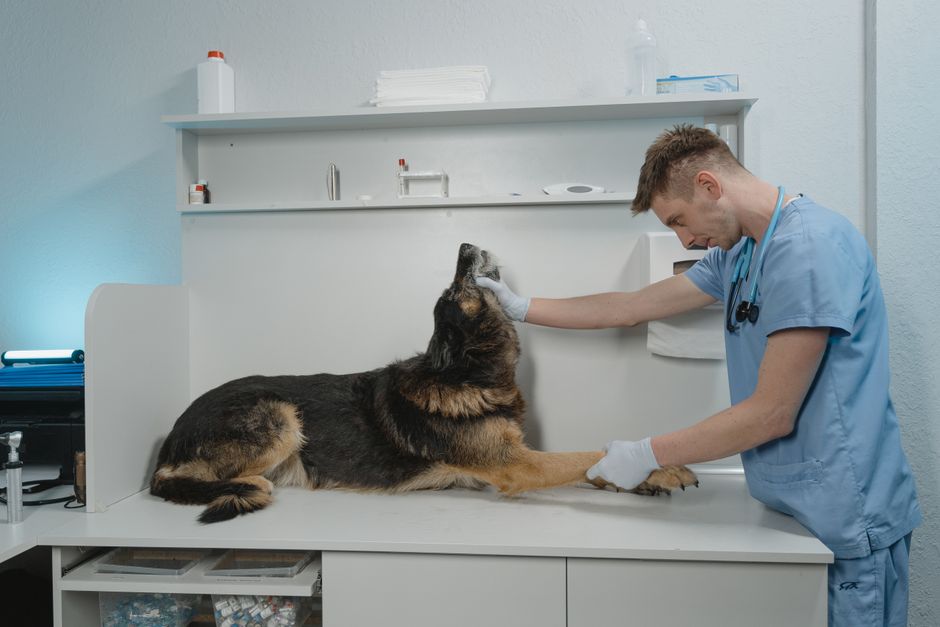
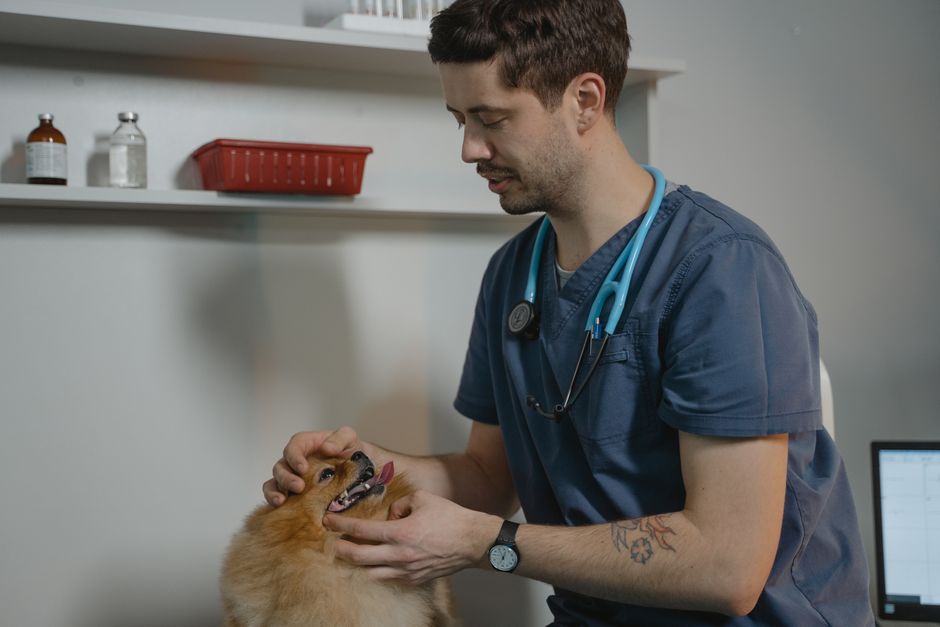
At Express Vets Marietta, our sick pet visit services ensure your dog receives a thorough evaluation and the most effective treatment options for their unique situation. We always prioritize your dog’s wellbeing and tailor our recommendations to their specific needs.
What to Expect When Your Dog Needs Anti Nausea Medication
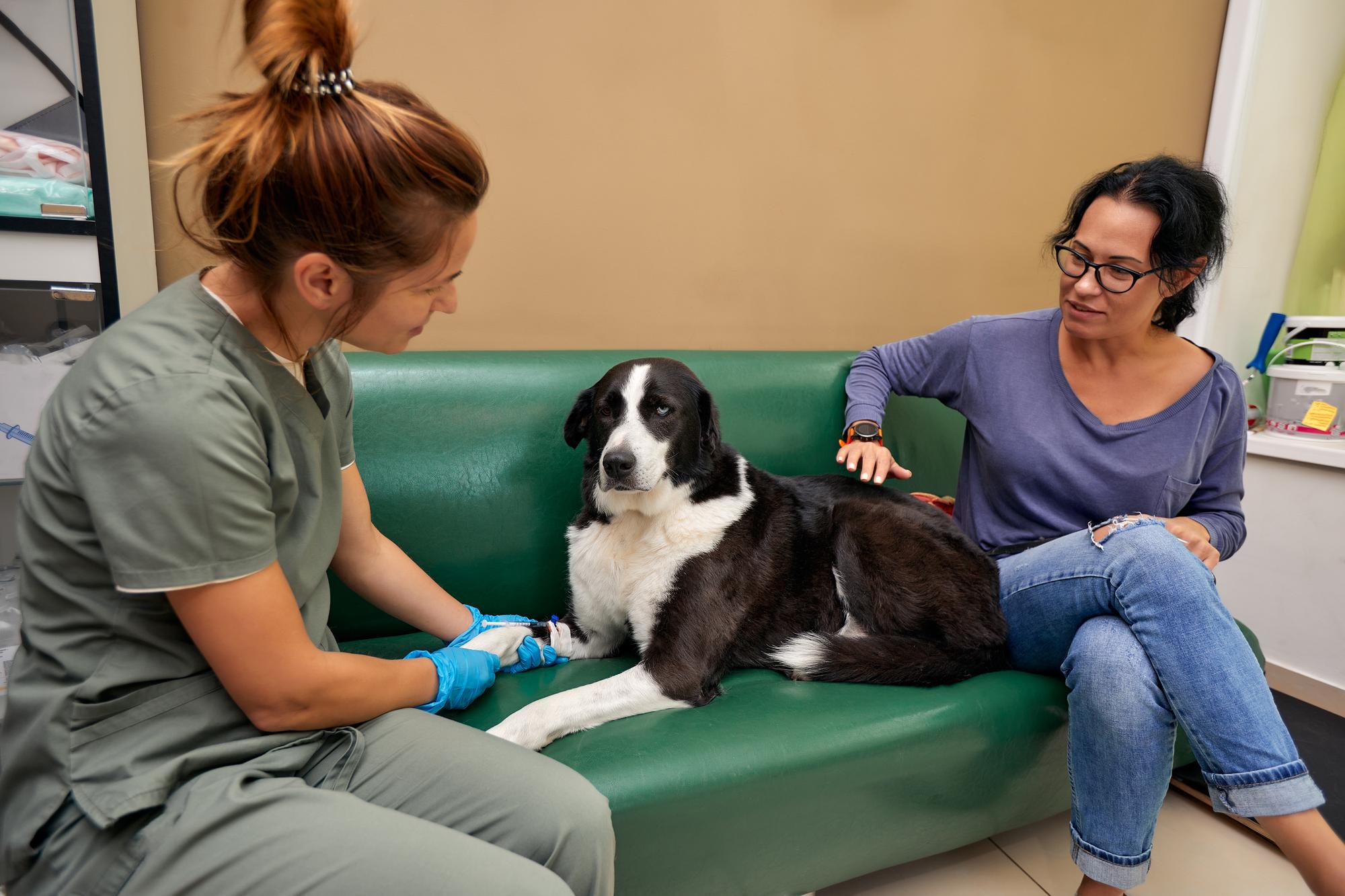
If your dog is prescribed anti nausea medication, you can expect a detailed discussion with our veterinary team about how to administer the medication, what side effects to watch for, and how to monitor your dog’s recovery. Most dogs respond quickly—often within a few hours to a day. Your veterinarian may recommend rechecking your dog if symptoms persist or worsen, or if other concerning signs develop.
It’s important to never use over-the-counter human medications for your dog unless specifically directed by a veterinarian, as many human drugs can be harmful or even toxic to pets.
Home Care and Prevention: Supporting Your Dog’s Digestive Health
While some causes of nausea are unavoidable, there are steps you can take at home to minimize your dog’s risk and help them recover quickly. Feeding your dog a consistent, high-quality diet and avoiding sudden changes in food or treats can go a long way toward preventing gastrointestinal upset. Make sure your dog doesn’t have access to garbage, table scraps, or unfamiliar foods, as these are common triggers for nausea and vomiting.
If your dog does experience mild nausea, withholding food for a few hours and then offering small amounts of a bland diet—such as boiled chicken and rice—can sometimes help settle their stomach. Always ensure your dog has access to fresh water, and encourage them to rest in a quiet, comfortable environment.
Regular wellness examinations are essential in detecting and preventing health issues before they become serious. During these visits, our veterinary professionals can provide guidance on safe foods, discuss parasite prevention, and help you develop a long-term wellness plan tailored to your pet’s needs.
When to Seek Veterinary Care for Dog Nausea
It’s natural to want to help your dog at home, but certain situations require immediate attention from a veterinarian. If your dog is vomiting repeatedly, unable to keep water down, acting weak or lethargic, or if you see blood in their vomit or stool, contact your veterinary team right away. Puppies, senior dogs, and pets with known health issues are especially vulnerable to complications from nausea and dehydration, so prompt care is critical.
Persistent or severe symptoms may signal underlying conditions that need diagnosis and treatment, such as pancreatitis, intestinal blockages, or organ disease. Our team at Express Vets Marietta is always prepared to support you through urgent concerns and provide timely, effective care.
If you’re unsure whether your dog’s symptoms require a clinic visit, it’s always better to err on the side of caution. Our team is happy to answer your questions and help you decide the best next steps for your pet’s health.
Keeping Your Dog Happy and Comfortable in Marietta
Your dog’s comfort and wellbeing are our top priorities at Express Vets Marietta. If you notice signs of nausea or vomiting, remember that professional support and anti nausea medication for dogs are available right here in Marietta. Our veterinary team takes pride in helping pet owners throughout Marietta and the surrounding communities keep their dogs healthy and happy all year long.
If your dog is feeling unwell or you have questions about their digestive health, don’t wait to seek guidance. Schedule an appointment with our team for a comprehensive evaluation and personalized treatment plan. You can learn more about our primary veterinary care services and wellness examinations to see how we can help your dog thrive.
When searching for a veterinarian near me, look for a clinic that combines expertise, compassion, and a commitment to your pet’s long-term health. Express Vets Marietta is here for you and your dog—call us at (678) 383-6613 or visit us at 3595 Canton Rd. Suite 1A, Marietta, GA 30066 to get started.
This article is intended for informational purposes only and does not replace professional veterinary advice. If your dog is experiencing severe or persistent symptoms, please consult with your veterinarian directly.